Programs & Impact

    What We Do

    A World of Possible.

    From advocacy and prosthetic guidance to adaptive sports, family support, and our new Empowerment Center — every program exists to get our community back to life.

    Programs & Projects

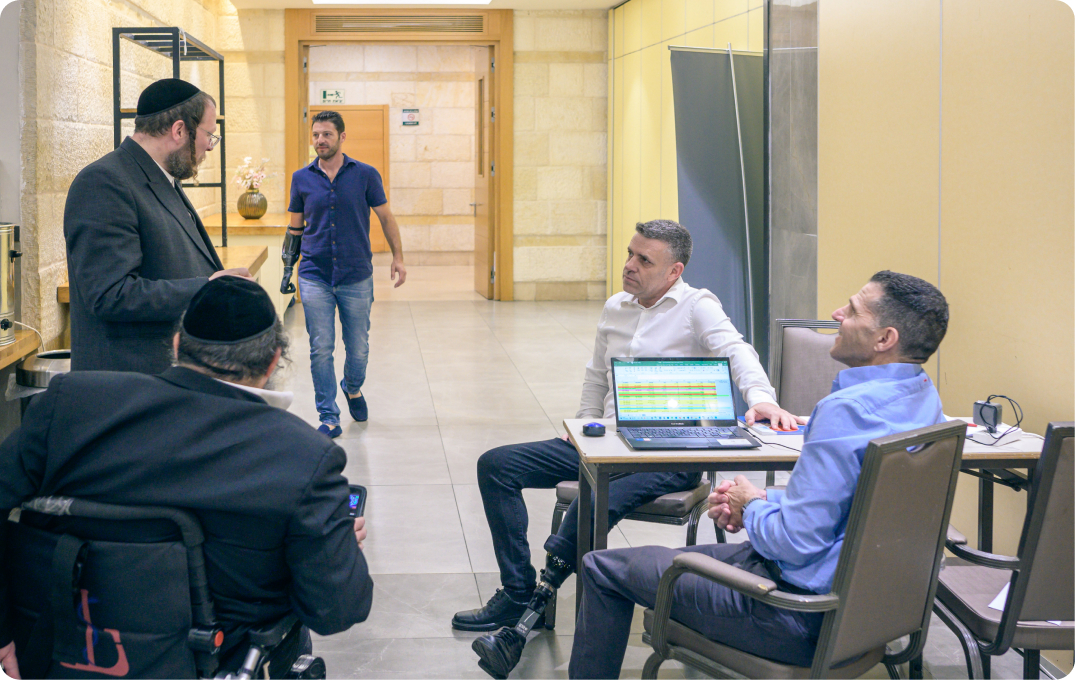
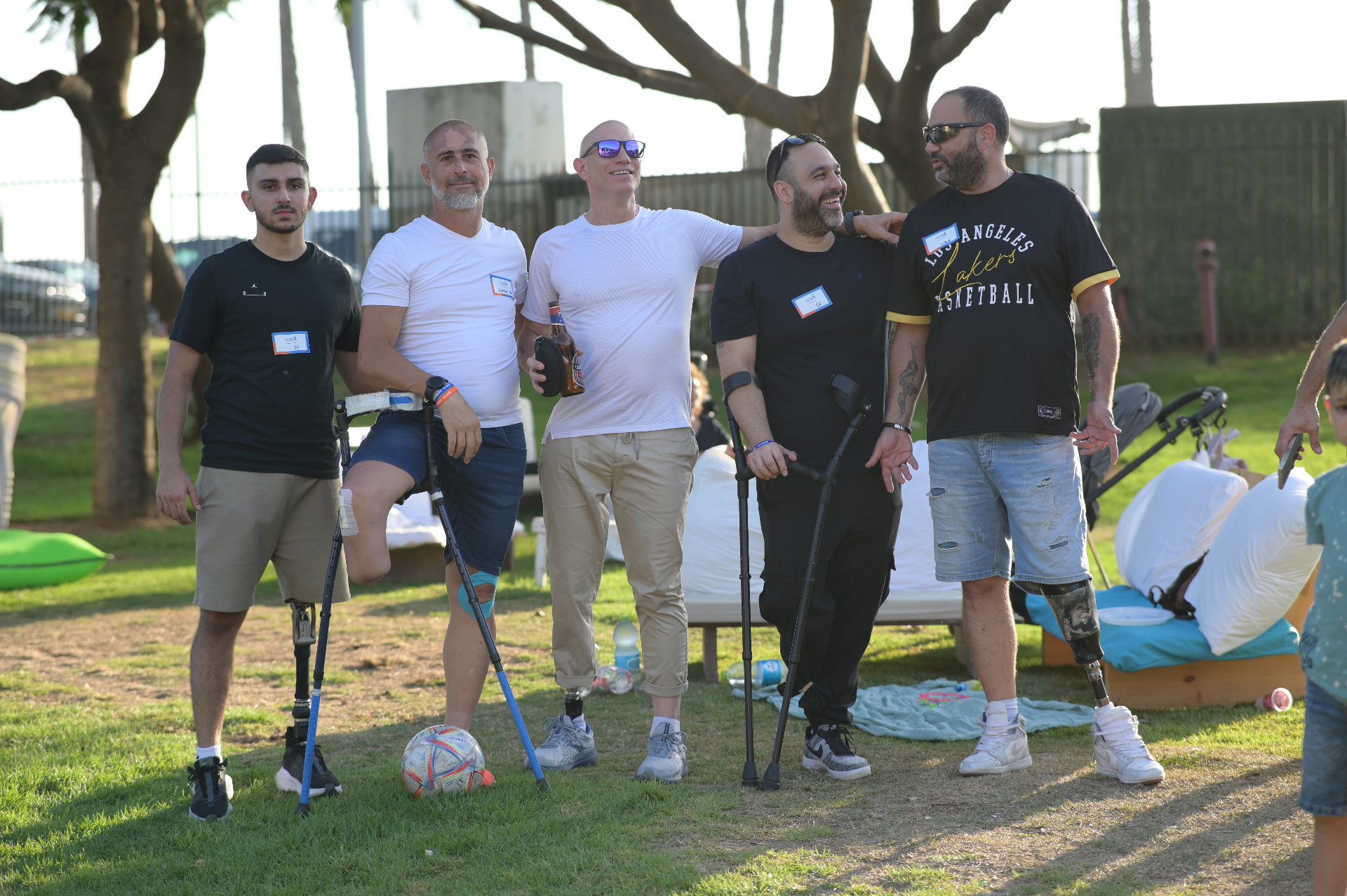
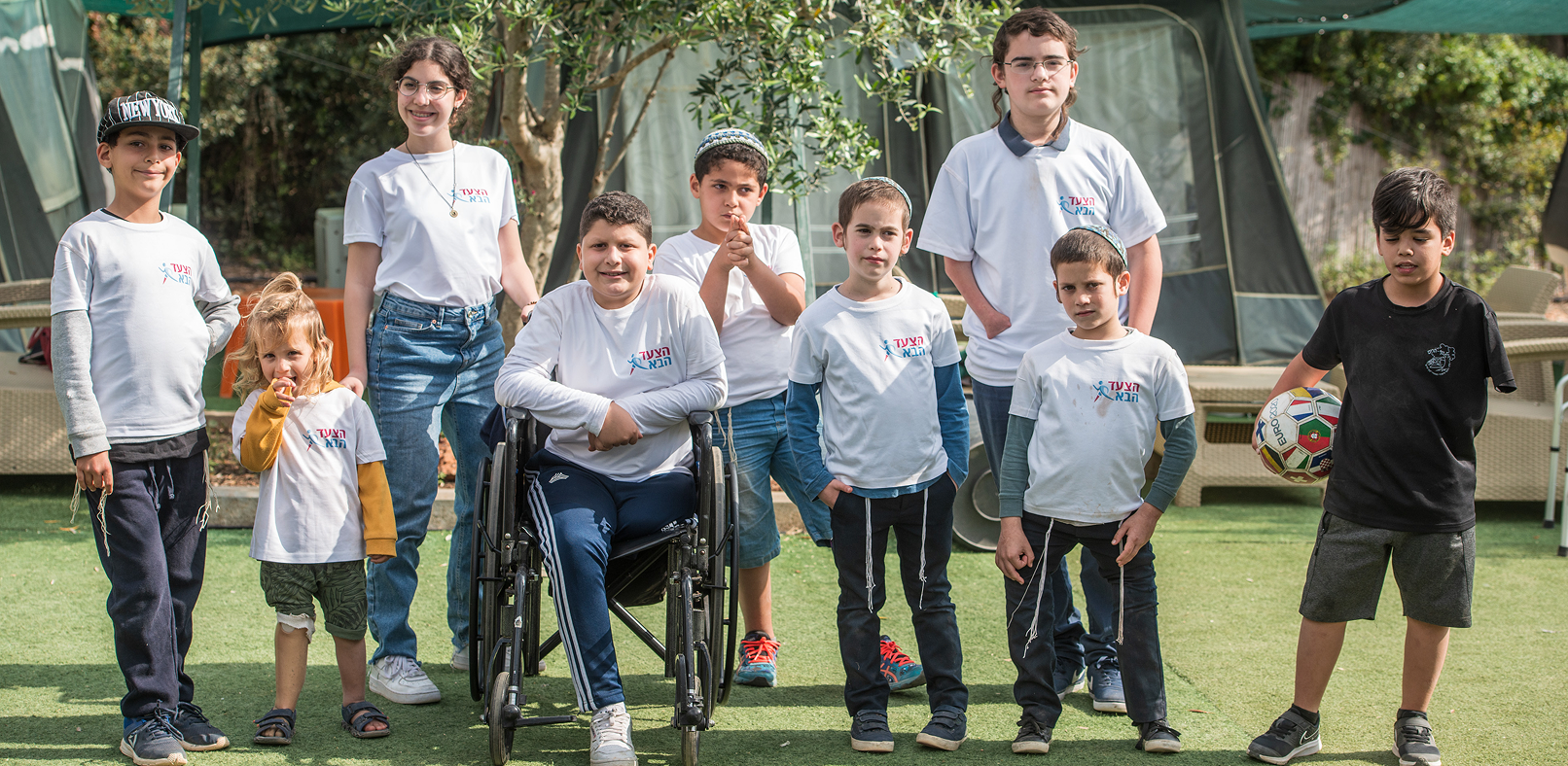
    The Next Step offers a number of programs and services, supporting thousands of members of our limb-loss community. These services are a direct result of wonderful people like yourself, who've contributed to this cause.

    Advocacy & Lobbying

    Advocacy & Lobbying

    We champion amputees' rights by lobbying for legislation, expediting service approvals, and challenging outdated systems so everyone can thrive.

    Prosthetic Guidance

    Prosthetic Guidance

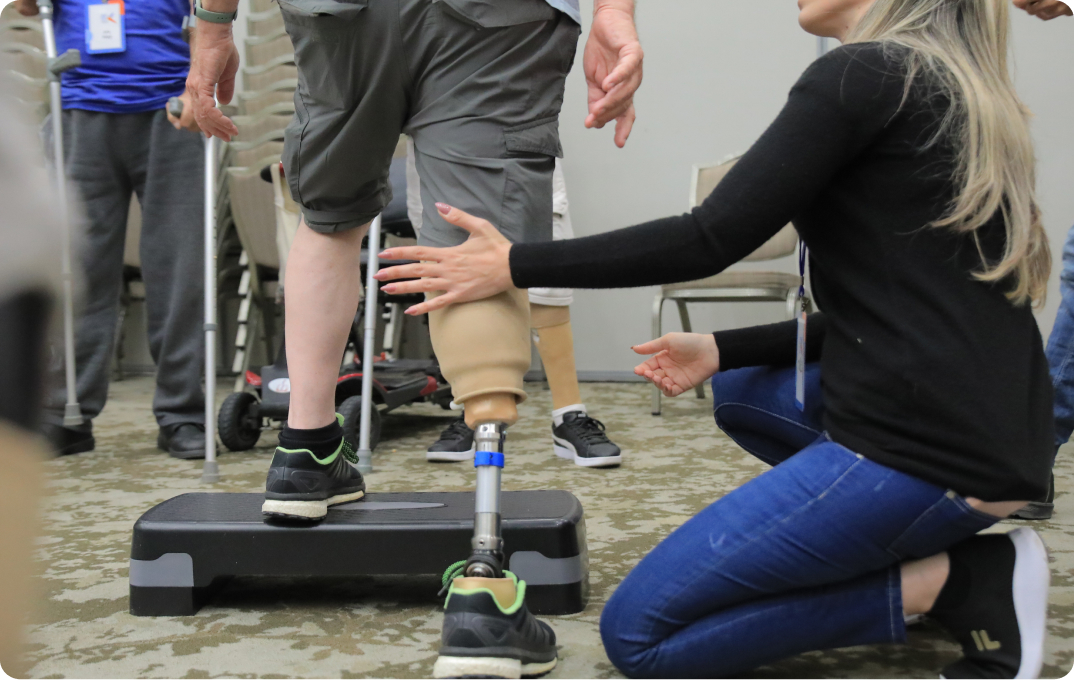
    We connect amputees with top-tier prosthetic technology, from international fittings to local fabrication. Mobility & independence stay within reach.

    Awareness & Inclusivity

    Awareness & Inclusivity

    We tackle stigmas head on, paving the way for inclusivity across the workplace, public spaces, and beyond.

    Physical Achievement

    Physical Achievement

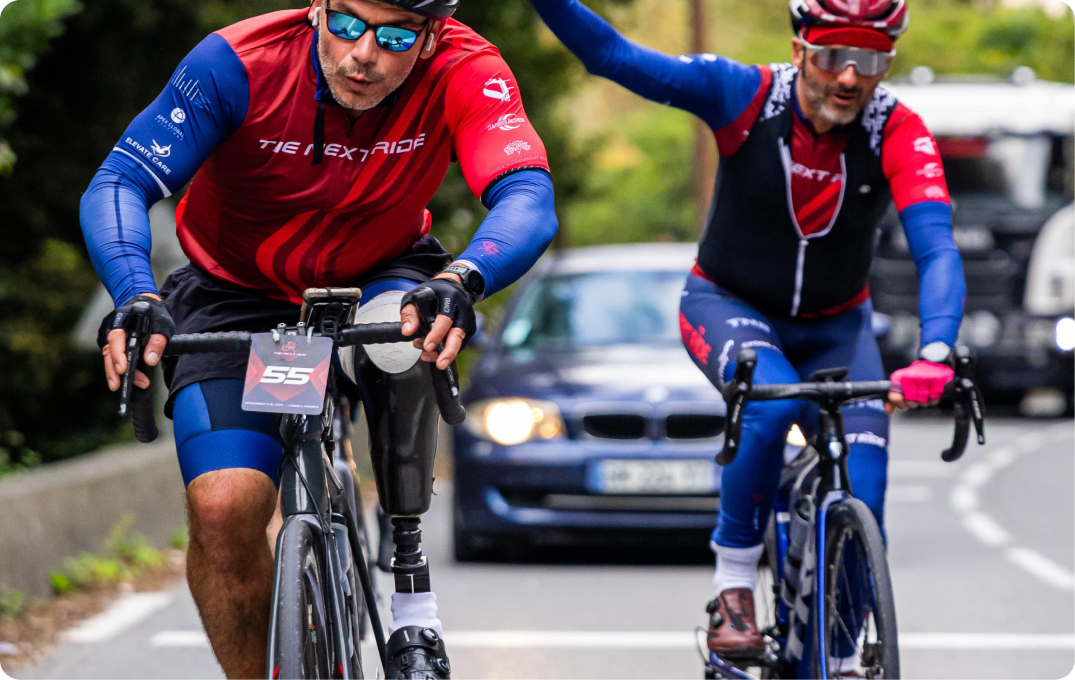
    Through adaptive sports like running, cycling, climbing, and more, we help amputees build confidence and discover their potential.

    Support & Respite

    Support & Respite

    Through hospital visits, care packages, and shared experiences, we foster community and connection at every stage.

    Community Building

    Community Building

    Family programs, peer mentorship, and gatherings that turn isolation into belonging — for amputees and the people who love them.

    Impact

    Getting Back to Life

    Not just "Yosef improved from K1 to K3" — but "Yosef went from sitting at home to cycling with his kids and coaching the new guys at the center."

    2026–2027 Targets

    150–200

    Active Center Participants (2026)

    300–400

    Active Center Participants (2027)

    500+

    Reached Via Mobile (2027)

    50+

    Returning to Employment

    How We Measure Success

    Our professionals measure K-Level classification, AMP scores, confidence, independence, community participation, family well-being, and employment outcomes.

    K-Level Progression

    Moving every participant up at least one K-Level within their first year — from wheelchair to walking, from walking to running.

    AMP Scores

    Clinical assessment at intake, 90-day intervals, and program transitions. Objective measurement of functional mobility gains.

    Confidence & Independence

    Self-reported readiness to engage socially, return to work, and try new activities.

    Family Well-Being

    Spouse and family stress reduction, caregiver burden decrease, and children's adjustment.

    Community Participation

    Event attendance, volunteer engagement, sports involvement, and peer mentoring activity.

    Employment

    Return to work, new job placement, civil service positions, or speaking engagements.

    Stories of Getting Back to Life

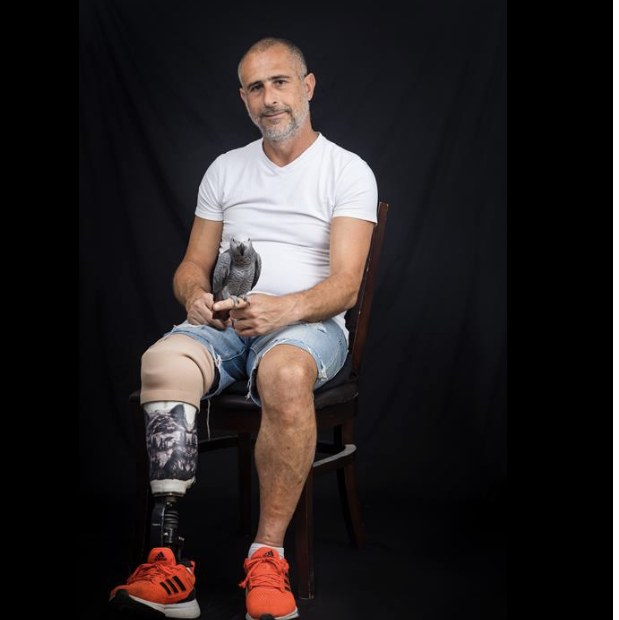
    Portrait of Eli Almozanino

    Eli

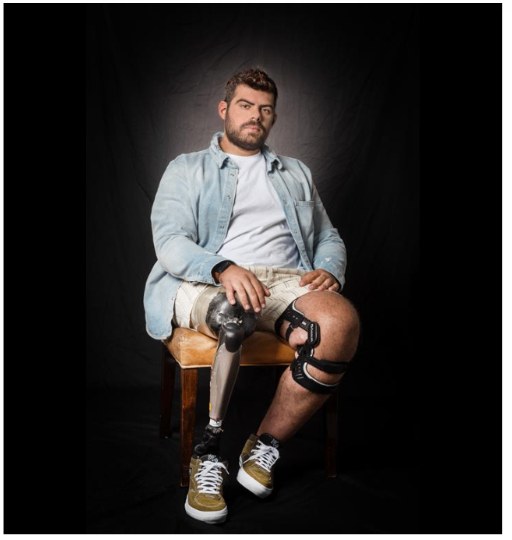
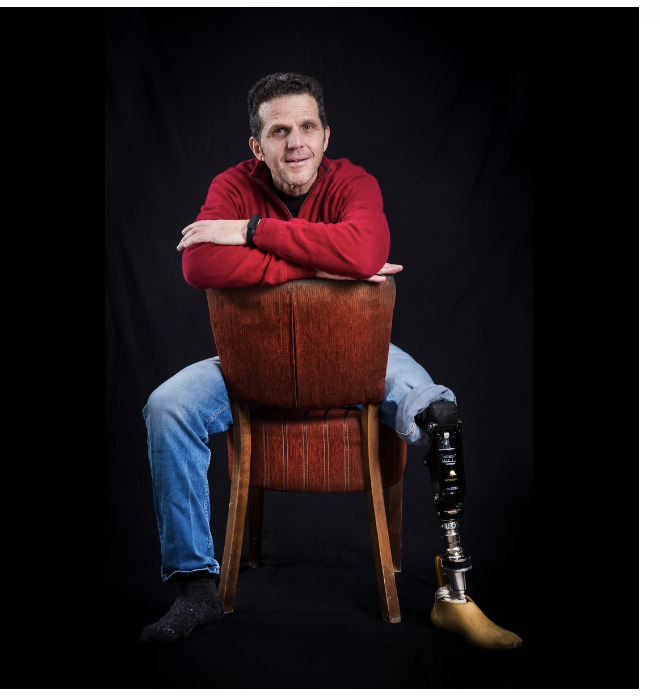
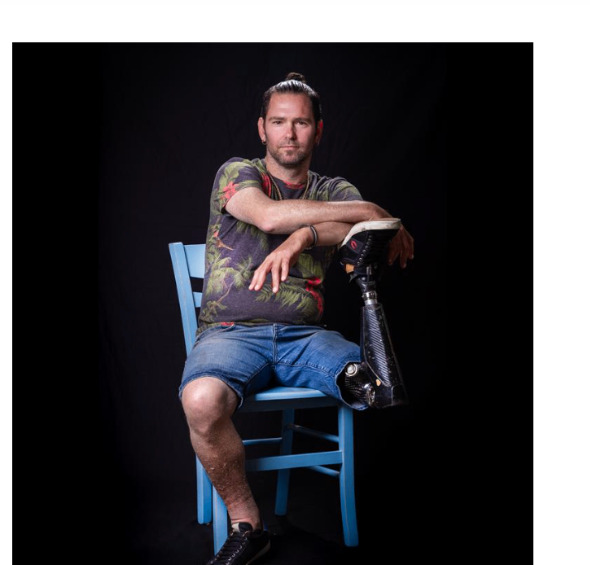
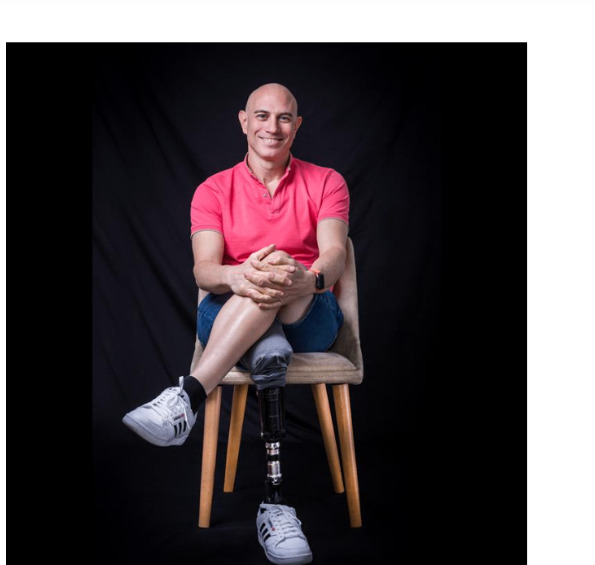
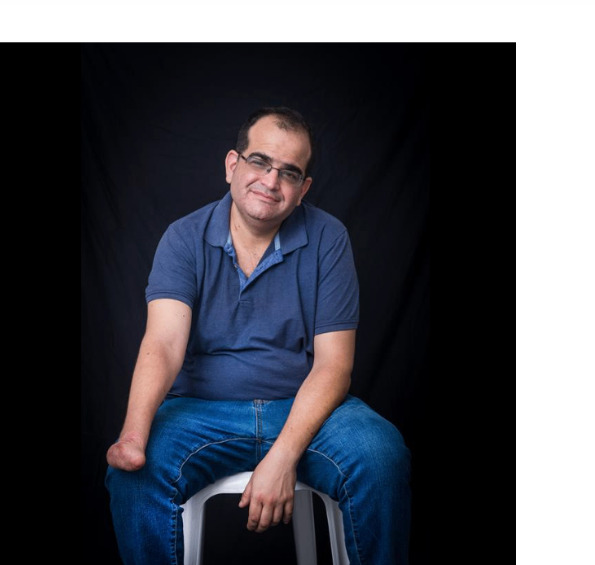
    "Don't see the other as 'other,' see them as whole just like you. Don't call me 'poor thing' because we are not pitiful. I walk on two legs and don't sit in bed and cry." Eli Almozanino, 44, is a divorced father of two and a right below-the-knee amputee. In 2013, Eli was in a road accident on his way to work while riding his motorcycle. At that time, he worked as an orderly at the "Shmuel HaRofeh" geriatric hospital in Be'er Ya'akov. A driver, who was preoccupied with her cell phone, made a U-turn. Eli was already next to the driver's door and had started to overtake. The car crashed directly into Eli's leg, which was crushed between the car's chassis and the motorcycle's. He was taken to the hospital with severe pain and a swollen leg. He was given morphine and sent home. They said there was no bone damage or fractures and that everything was okay, so he was discharged without surgery or any other procedure. Eli recounts that he couldn't sleep; his leg hurt him terribly, and he returned to the hospital the same day so they could help him manage the pain. They gave him morphine again and told him to go home several times. Eventually, they referred him to a pain clinic, where he was diagnosed with CRPS – Complex Regional Pain Syndrome. The amputation occurred many years later as a result of the CRPS; he had reached a point where he couldn't touch his leg or feel a breeze on it. Cutting his toenails could only be done under general anesthesia at the hospital; every touch was a nightmare. It took 8 years until the medical committee at Ichilov Hospital approved the amputation. He suffered immensely. His leg was in constant pain, and he couldn't function normally. Eli joined the "Next Step" community when he became part of Israel's national amputee soccer team. The team was founded about three years ago during the "Next Step" community's annual conference. Eli was formerly the team's first captain. Eli's main occupation is saving lives in every way possible. He works as a medic and a dispatcher for United Hatzalah. He provides training: medic courses, first aid courses, "Safe Family" programs, and courses for kindergarten teachers and assistants. His entire day revolves around saving lives. Eli trains with the Israeli national amputee soccer team on Mondays and Thursdays. In his free time on Saturdays, he makes time to ride his jet ski. Eli advises people not to be afraid to ask an amputee what happened and why. Most importantly, he says, don't hide from the reality. He encourages openness because it's real. There are more and more amputees in the country, and this reality shouldn't be hidden from one's child, spouse, family, or anyone. That is the truth.
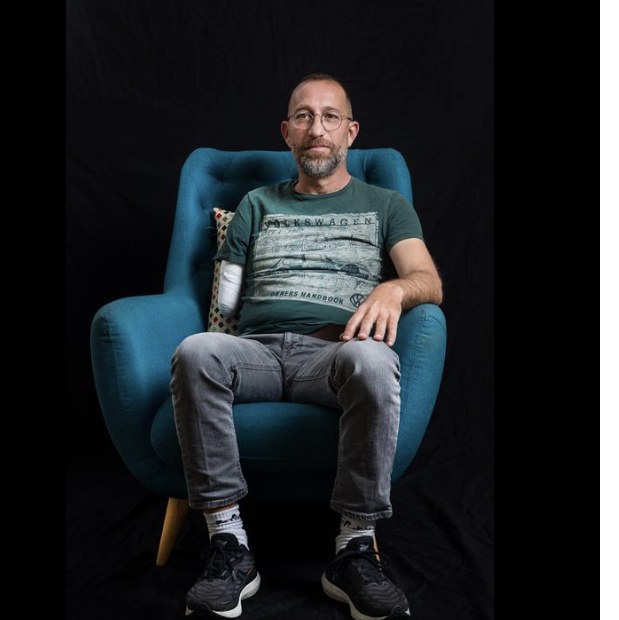
    Portrait of Ethan Maisel

    Ethan

    "I always said I can do anything, it will just take me a little longer; it never crossed my mind that I wouldn't succeed." Ethan Maisel, age 50, is a right above-the-elbow amputee. He is married to Meli and they have three children: Bar, Amit, and Gal. Ethan was injured in a work accident in 2011. He worked for a very large company called Caterpillar. As a child in the 1980s, he studied at a technical school, Ort Kfar Saba. There, he learned machine parts design, lathing, and milling. When he enlisted in the army, he was assigned the role of a mechanic in the Navy. Ethan was injured when he went to repair a shredder; his arm got caught in the machine's conveyor belt. His arm was not amputated on the spot but remained inside the conveyor, broken in three places up to the shoulder. In the hospital, he underwent surgeries over a period of three days. For a year and a half, his arm was immobilized, and Ethan was bedridden for a long time, unable to use it. Ethan gained weight due to the lack of activity, and during that time, he also decided to have the arm amputated. After the amputation, he decided to return to the job market, but he was unsuccessful for 7 years. Ethan remembers the first time his children entered his room: his youngest, Amit, cried; Bar was distant and took his time to get closer; and Gal was the only one who seemed to understand a little. In his free time, he participates in sports activities with the help of "The Next Step." Ethan joined a rock climbing group, a dragon boat sailing team at the Daniel Center in Tel Aviv with Nir Mayo, who is also a member of the community, and has also joined a surfing group and CrossFit. The knowledge and experience he gained from his ordeal gave him the ability to help people in all areas, such as with the National Insurance Institute, insurance companies, and driver's licenses. Today, he can explain things to anyone who needs it and share with them to make it easier. For him, since the accident, the concept of time in terms of dates is no longer relevant. Ethan lives in the here and now.

    Portrait of Noa Suisa

    Noa

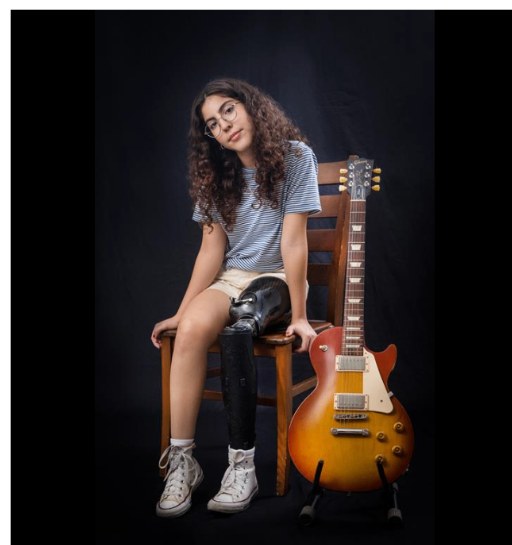
    "I wouldn't change the situation because it built me. I don't think I would have grown to be who I am today if I hadn't gone through the amputation." Noa Suisa, 16, from Holon, is a left above-the-knee amputee. She is an 11th-grade student majoring in music—she sings and plays both classical and electric guitar. When she was 8 years old, she left school and waited by the gate to be picked up. An elderly woman was sitting in a car in front of the gate and, instead of putting the car in reverse, she put it in drive and hit the gas. The car sped forward, mounted the sidewalk, and hit Noa with such great force that her leg was amputated on the spot. The initial amputation was below the knee, but two weeks later, due to an infection and fear for her life, she underwent another surgery in which the doctors had to amputate her leg above the knee. Noa was hospitalized at Ichilov Hospital for almost two months but remembers almost nothing from that period, mainly because of the strong painkillers she was taking. Despite her supportive environment, Noa felt that no matter how hard she tried to explain what she was going through, she could never fully convey her feelings and thoughts. While getting her first prosthesis at an institute in the United States, she heard about 'The Next Step.' It was a significant moment; she felt secure and very excited. Later, at the first conference, she met members of the community and immediately felt at home. Immediately after the conference, Noa started riding with the organization's cycling group, something she never thought would be possible for her. Another thing she never thought she'd be able to do was run; that was just a dream. "When we were in the United States, I also received a running prosthesis. The first time I ran, I cried while running. It was a moment I'll never forget. Not all children get a running prosthesis, and I don't understand that, because children need to run." "At one of The Next Step's meetings, they asked me if I ever dreamed of myself with a prosthesis or with just one leg, and I answered that it had truly never happened; I always dreamed of myself with two legs. That very night, for the first time, I dreamed of myself with a prosthesis. That's it. Officially, I no longer remember myself with two legs."

    Portrait of Moti Harari

    Moti

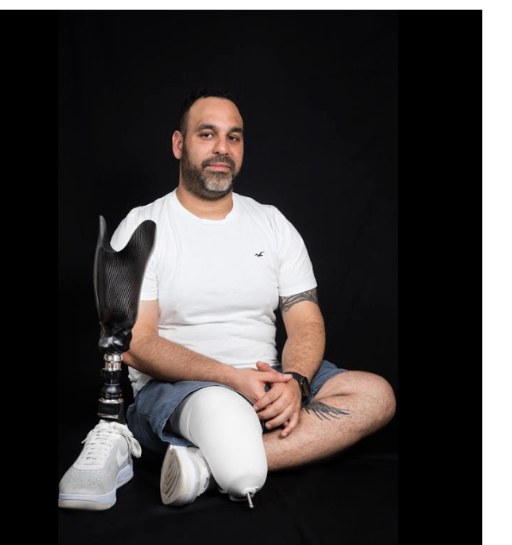
    "If they put the leg in front of me and said there was an option to have it back, I wouldn't take it back because it's something I've started to love. I completely accept myself this way." Moti Harari, a 34-year-old from Herzliya, is an above-the-knee right leg amputee. Moti was born and raised in Houston, Texas, in the United States. He immigrated to Israel 16 years ago. Moti's amputation was the result of a car accident while he was traveling in the United States 10 years ago. He was on a highway during a traffic jam, exchanging details on the side of the road for a minor accident. Suddenly, Moti noticed a car speeding towards him. He reacted quickly and tried to cross the safety barrier, but only managed to get his left leg over. His right leg was amputated on the spot. While Moti was in rehabilitation, he didn't see life as something bad; instead, he developed in other directions. Moti saw people with very different disabilities, which gave him a broad perspective on the situation he was in. One of the things he didn't think he would be able to do was snowboard, but that goal was also achieved with a lot of tough training. Before the amputation, Moti was in a different place with himself, with less self-confidence. Today, he can speak openly and sees a different angle of life. Moti doesn't give up. His approach is that you can succeed at anything, and it is measured by how much you are willing to invest in something.

    Portrait of Lana Kfir

    Lana

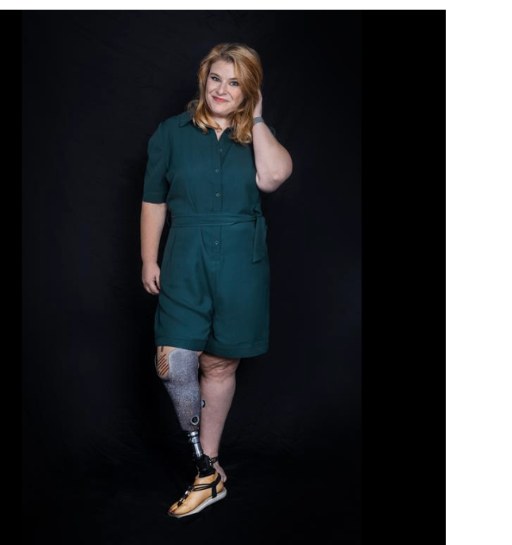
    Lana Kfir, 34, from Tel Aviv, is a right below-the-knee amputee. Married to Barak and mother to a two-year-old son. Lana immigrated from the United States 14 years ago. In December 2021, nine months after giving birth to her son, Lana felt a sore throat. Her family doctor sent her home with standard medication for a sore throat and told her to rest. It later turned out to be a flesh-eating bacterium, Streptococcus A, that had settled in her throat. At the hospital, in the emergency room, Lana didn't think her life would be in danger because of it. The next morning, she underwent surgery to drain the area; at first, they didn't realize it was a flesh-eating bacterium. During the surgery, she suffered multi-system organ failure, was resuscitated, and was connected to an ECMO machine along her right leg. This led to necrosis in her right leg, and subsequently, they began to discuss amputating the leg with her family. Today, Lana has been working for about 12 years as the CEO of an international consulting firm and is responsible for the company's operations in Israel. In addition, Lana works out 3-4 times a week, doing reformer Pilates and going to the gym. She is now waiting for approval to receive a water-resistant sports prosthesis because she is an active mother and engages in sports. The approval from the Ministry of Health will take time, but she believes she will eventually receive it and will be able to take her son on trips or to parks that involve water, at least by next summer. Since getting to know "The Next Step," she has started to invest in herself, do more sports, and think outside the box. Lana does this when she sees other amputees who do the same without shame or fear.

    Portrait of Naftali Bar Nathan

    Naftali

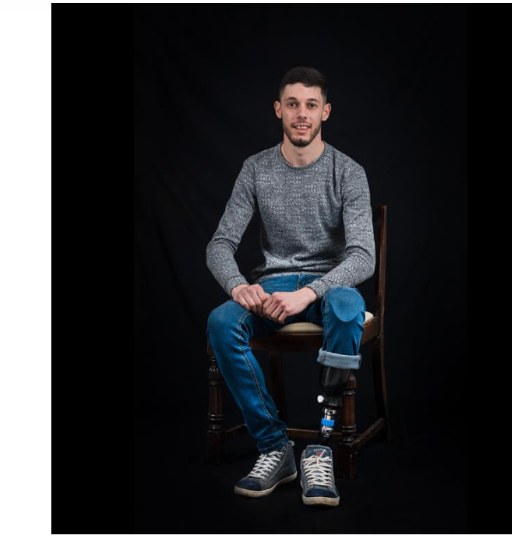
    "We manage to see the good, even when bad things happen, and in the disadvantage itself, you can find advantages." Naftali Bar Nathan, a left below-the-knee amputee, is 26 years old and lives in Rosh Ha'ayin. Naftali comes from a Haredi and religious family. He is the seventh of ten children and left the religious community three years ago. The amputation was the result of a motorcycle accident. At the time, Naftali was still studying in a yeshiva, which he left shortly before turning 18, intending to enlist in the army. Three days before his enlistment date, he was riding his motorcycle to Netivot when a car struck him. A week after the accident, following a series of operations, doctors were unable to save his leg. Naftali loves to travel and meet people. He talks to them about the amputation and the sports he does, "trying to instill optimism in them and strengthen them in any way I can." Beyond that, he finds it somewhat difficult to find a job, due to his rehabilitation and the struggle of coping with life, which is not easy. He has worked mainly in odd and temporary jobs like a cashier in a Bnei Brak supermarket, at a gas station, and more. Naftali rides mountain and road bikes with the "Next Step" riding group. He trains with them weekly on Wednesdays and Fridays, and also does some other sports and mostly goes on trips. The change in Naftali following the amputation was huge and very character-building. Naftali believes that anything is possible; he trusts in fate and in God. Naftali says he is content where he is now, but our society tends to think inside the box. Therefore, he really wants to go on a big trip around the world and try to change this perception people have.

    Portrait of Nitai Shenhar

    Nitai

    Nitai Shenhar, 24, was born in Shoham and is a right above-the-knee amputee. His great passion is for cars, motorcycles, and everything related to motorsports, which is also his daily work. Before his injury, he was a combat soldier in a mobility unit and an operational driving instructor. About 10 minutes into his drive, he had a severe single-vehicle accident caused by a fire in the area. Smoke and flames were on the road while he was driving. Nitai underwent several surgeries at the hospital. He tore the ligaments and the meniscus in his left knee. Nitai has metal plates in his right hand, and he also broke the E8 vertebra in his back. After the surgery, he was almost completely dependent on nursing care. Four days later, he managed to walk with a walker. This was before they discovered he had fractures in his leg and hand. Nitai had an hourglass tattoo on his right leg, which was amputated. On his arm, he has a tattoo of the sentence, "I always find myself in new beginnings.” He says that, for him, his tattoos have always signified something that was about to happen. Today, Nitai goes to the gym and works out about five times a week, along with his physical therapy, in order to strengthen his muscles. And when he goes to rehabilitation at Sheba Medical Center, he also serves as a mentor to new amputees, inspiring them to see that it is possible to live with the amputation or injury that each of them has.

    Portrait of Nir Mayo

    Nir

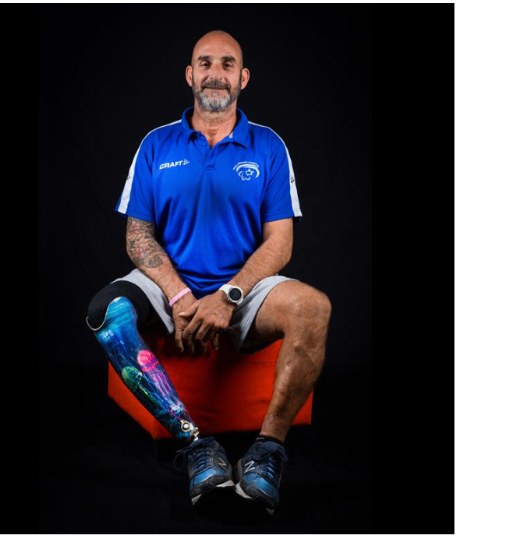
    Nir Mayo has a below-the-knee amputation of his right leg. He is 50 years old, divorced, and has three daughters. For most of his adult life, Nir lived a normal life, spending time with friends and enjoying going out. He served in the army as a combat soldier in the Golani Brigade. After his discharge, he went on a post-army trip to the Far East, visiting Thailand and Australia. He lived in Japan for nearly 9 years, where he built a business from scratch with an Israeli partner he met there. He opened stalls in the city where young Israelis, traveling in the East after their army service, could also find work. In Japan, his addiction to motorcycles began, and it was there that he had his first accident. He spent two weeks in intensive care until they managed to stabilize him; his leg had been severely crushed. Nir underwent a series of surgeries and treatments during his hospitalization and rehabilitation, including skin grafts, bone grafts, metal plates, and prolonged physical therapy. Nir just wanted to recover and move on with his life: to get back on his feet, work at his business, and live as normal a life as possible. In time, he met the woman who would become his wife and the mother of his three daughters. He continued his love affair with motorcycles and bought a new one. On his way from a routine management meeting in Netanya, heavy traffic began to build up on the road. Nir was driving at 80 km/h! But in a split second, a car decided to cut across four lanes to get out of the traffic jam. The driver didn't see Nir, hit him hard, and threw him from his motorcycle. The impact was on his left, healthy leg. The car crushed his leg, causing an open fracture in his shin. At the hospital, doctors fought to save the injured leg; they didn't want to leave Nir as a double amputee, so they did everything in their power to save it. Over the course of a year and a half of hospitalizations, surgeries, and treatments, Nir was at the Loewenstein Rehabilitation Hospital. However, complications arose again, and he had to return to Ichilov Hospital for additional surgeries. A year later, Nir began learning to row with an instructor named Dima and became absolutely hooked on it. He took a fitness instructor course at the Wingate Institute, wanting to work in fitness and train people. In addition, he completed courses to become an academic rowing and Olympic kayaking instructor at a sports college called ICS. Today, he works at the Daniel Rowing Centre. He started as a fitness trainer at the gym for about two to three years, after which he began coaching people in academic rowing and Olympic kayaking. Nir encourages anyone interested to come to the Daniel Rowing Centre, not just to train professionally or competitively, but for the fun of it—to do something for the soul.

    Portrait of Perla Rempel

    Perla

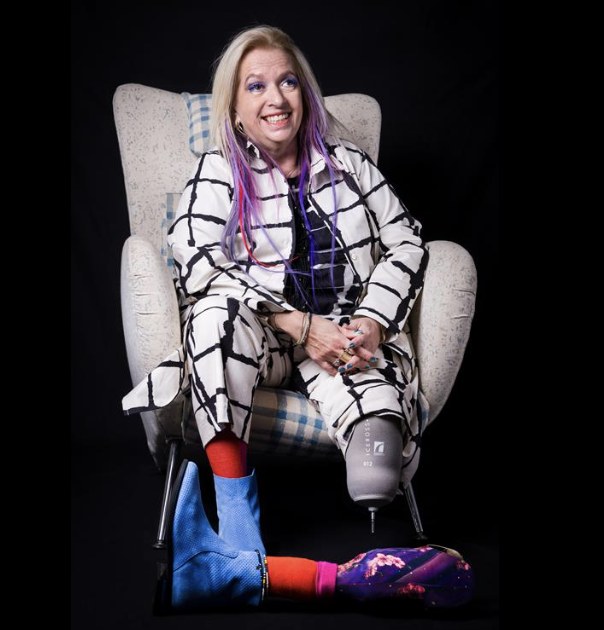
    "You have to take opportunities today and not wait for tomorrow because there is no tomorrow, I've experienced it." Penina (Perla) Rempel, 58, a resident of Be'er Sheva, is married with two children and six grandchildren. Perla is a left below-the-knee amputee and uses a prosthesis that is also designed to her personal and cheerful taste. Perla immigrated from South America, Uruguay, in 1972 with her entire family. She studied and was educated in a Jewish school. In her adult life, Perla worked at the Danel company as director of the nursing department for 30 years. While she was employed, she underwent several surgeries and hospitalizations due to arteriosclerosis, which she has suffered from since 2015. Perla was fired from the company after many years of service because of her illness. This caused her a severe crisis that led to a heart attack and a five-bypass open-heart surgery. Afterward, she suffered a stroke, was transferred for rehabilitation at Loewenstein Hospital, and there she suffered two more strokes. During her hospitalization, she suffered from a heart infection and was subsequently re-hospitalized for about six months at Soroka Medical Center in Be'er-Sheva. In one year, she underwent 18 surgeries on her legs, which is what led doctors to make the decision to amputate her leg. After the amputation, she fell into a deep depression. But after some time, she got to know "The Next Step" community. Members of the community came to visit her in the hospital and at home, and encouraged her to get a prosthesis. Following the amputation, Perla developed the skill of survival; she clung to everything she could to cope with the amputation and the difficult situation, to learn to live again, and to see how life could be received as a gift once more, despite the suffering and pain. Perla loves to create art; her home is full of various ceramic works she has made herself. Today, Perla is looking to re-enter the workforce. Being productive was a large part of who she is, and she would like to continue working for the sake of the community.

    Portrait of Emmanuel Olgin

    Emmanuel

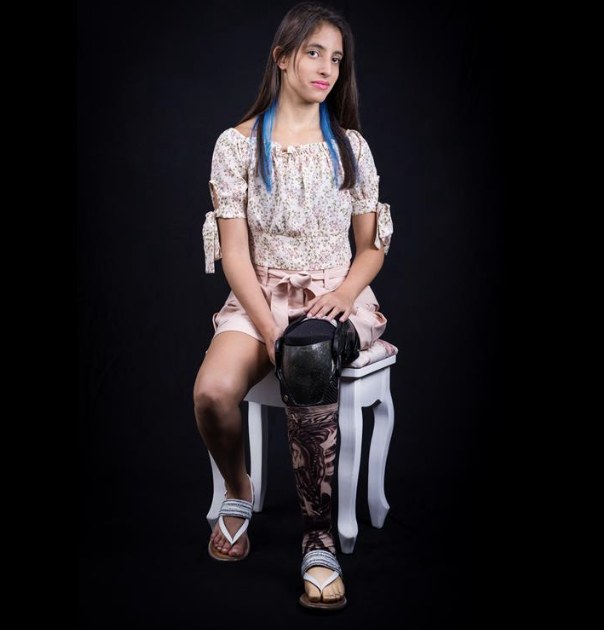
    "My own thoughts about myself are what's most important, not what others think of me." Emmanuel Olgin, 16 and a half, from Holon, is a left below-the-knee amputee. Emmanuel was born and raised in Holon, twin sister to Maayan. They were both born in the seventh month of pregnancy and therefore had to spend their first months in an incubator. Emmanuel was in the incubator for about 4 months after birth. When she was one year old, she underwent abdominal surgery that led to the development of blood clots, which ultimately concentrated in her leg. This caused gangrene, and led to the decision by her parents and doctors to amputate the leg, thereby saving her life. Emmanuel began learning to walk with a prosthesis at the age of one and has always felt that the prosthetic leg is a part of her. She never thought that there was something wrong with her or that she had any kind of disability. Emmanuel wants to live a normal life, like any other teenage girl. In addition to being an amputee, she also copes with learning disabilities of varying degrees and has almost 100% deafness in her left ear. She likes to share her story and get people interested in it, although the stares are sometimes wearing. One of Emmanuel's biggest dreams today, at age 16 and a half, is to get a tattoo on her calf of a girl in front of a mirror, hugging herself. "The most important thing is to love yourself first, and then to consider what society says." Today, Emmanuel trains with a personal coach. She loves to run and to play basketball and newcomb ball. "My mom signed me up for many groups with The Next Step that run all kinds of activities for amputees so that I can be exposed to my abilities, give more of myself, and do things I've never done before."

    Portrait of Shlomi Shahar

    Shlomi

    "I didn't think twice and decided to have the leg removed. I was happy they removed it and that it didn't hurt anymore." Shlomi Shahar, 51, from Kiryat Yam, is a left above-the-knee amputee. Shlomi had a motorcycle accident in 2015 which required him to undergo numerous surgeries. A year after the accident, he made the decision to have the amputation. He had been suffering from terrible pain for a year and felt there was no other option. Immediately after the amputation, he felt a sense of euphoria as he suddenly felt the absence of pain. Before the amputation, Shlomi was very active in his business life, maintained good physical fitness, and was involved in sports. After the amputation, he found himself at a complete standstill. "At first, they fitted me with a prosthesis that didn't allow me to walk. It was terribly painful, and on top of that, I couldn't do any sports. I had no one to consult with; 'The Next Step' didn't exist back then. Instead of helping me, they sent me to a psychologist, claiming I wasn't trying hard enough to get used to the prosthesis." Shlomi has two children: one from a previous marriage who is in the army, and a younger one. His younger child has developed fears stemming from Shlomi's situation, even though he doesn't remember the time before the amputation. Shlomi decided to lose weight after becoming too ashamed to leave his house. "The Next Step" announced they were starting a cycling group in the north, and the instructor, Ofer Shatal, taught him how to get on a bicycle and ride with his prosthesis. "When I saw him, also an above-the-knee amputee, get on the bike, it gave me a huge boost of confidence." After his first ride in a parking lot in Caesarea, Shlomi bought a bicycle, had his prosthesis adjusted for cycling, and began riding non-stop. "I rode with the group, and the highlight was the training camp during the holidays. I rode 60 kilometers with them and then completed the 'Sovev Kinneret' (Tour of the Sea of Galilee) the day before we traveled to Greece with the association's cycling team."

    Portrait of Tzachi Leibovich

    Tzachi

    Tzachi Leibovich, 46 years old, lives in Zichron Yaakov, is single with a child, and is an above-the-knee amputee of his left leg. The amputation was due to medical issues. In his spare time, he engages in sports, and since the amputation, he mainly focuses on providing encouragement, support, and a listening ear to amputees in the "Next Step" community and to new amputees in the hospital, talking with them about their lives and what they will look like after the amputation. "Before the amputation, I always put things aside and postponed them because of the race of life. Unfortunately, because of the amputation, there are things I will never be able to do again. Therefore, everything I want and can do, I try to do and experience to the fullest so I won't have regrets later." Tzachi primarily struggles with tasks that a person with two healthy legs can do, such as: standing in the shower, running, going up and down stairs, and walking on steep surfaces, in mud, or on rocks. There are things that require planning and preparation in advance. He learned to do all of these things again with the help of a prosthesis that helps him walk. Socially, Tzachi has almost never felt ostracized, except for a few isolated cases. "My friends, after the amputation, didn't see me as a different person, but for some of them it was hard to see me in this situation, and for others, it was difficult to make 'special' preparations for me." The skills Tzachi developed following the amputation are stability, strength, maintaining a proper diet, perseverance, and the patience to keep trying to succeed at things. Tzachi has one child, and he tells us that as an amputee father, it was a bit difficult at first. He had to explain to his son that he has to do everything more slowly, that he can't chase after him at any given moment, that sometimes there are problematic situations where he can't use the prosthesis and has to use a wheelchair, and that it wasn't always possible to lift him up.

    Portrait of Shlomi Iger

    Shlomi

    Shlomi Eiger, 44 years old, married plus three, from Moshav Vered Jericho, amputated above the left knee. Shlomi was born in Bat Yam and spent his entire childhood there. At the age of 9, he and his friend were playing in the street and found a storage room on the roof of a neighbor's house where weapons were hidden. They came across a LAW missile (anti-tank missile), they opened it and played with it. When they tried to close Shlomi's path on the missile, the missile was fired and almost severed his leg on the spot. During the rehabilitation process, Shlomi began to engage in sports. At the age of 13, he was sent to the World Swimming Championships for Disabled Youth. He then continued his rich sporting career in swimming, which included European Championships, World Championships and the Atlanta Olympics. Shlomi retired from competition at the age of 21 due to a shoulder injury caused by swimming. Shlomi met the "Next Step" association at the age of 35, when it was still a young association. Thanks to the association, he realized many of the dreams he wanted to do, such as challenging sporting activities, skiing, surfing, and climbing. The skills he developed following the amputation were mainly emotional rather than physical, a sensitivity to the afterlife. Through his sports career, his ability to accept himself and speak to people in the lectures he gives also improved. Today, he works in a nature reserve near Ma'ale Adumim and also gives lectures on his amazing and fascinating story. The lectures that Shlomi gives are aimed at all target audiences and he speaks to teenagers, adults, disabled people and their families. The content of the lecture is mainly about his personal journey following the amputation at a young age and the way he went through and dealt with it. His lecture is called: "The Courage to Be Me" and it comes to tell about his difficult childhood struggle with society as an exception, a disabled person.

    Portrait of Shahar Halperin

    Shahar

    "This is how I grew up, with all the childhood implications. I don't know anything else, and in my eyes, that's a very big advantage." Shahar Halperin, 46, lives in Tel Aviv. Divorced with two children, he has been an above-the-knee right leg amputee since birth. Today, he works as an industrial and management engineer. In recent years, he has been serving as a consultant for startups in digital marketing and data analytics. Shahar's story is slightly different from other members of the "Next Step" community, as he didn't undergo his amputation in the middle of his life. In '75, ultrasound tests were not yet available. Therefore, it was only discovered at birth that his right leg had not developed properly and was, in fact, shorter than the other. The undeveloped part was amputated after birth. At age 3, he received his first prosthesis so he could participate in kindergarten activities and play like everyone else. In recent years, Shahar has been trying to expand his involvement in sports. So, when he discovered "The Next Step's" riding groups, he wanted to join and become more professional in the field. Today, he rides every week in a group training session and at a meetup in the south with community members and the riding group. In terms of raising his children, he didn't feel any particular change or difficulty because this is how he was born and what he is used to. His children try to find shared sports activities and join him at Spivak and Beit Halochem for swimming, playing ping pong, and going to the gym. Shahar joined "The Next Step's" riding group also out of solidarity with the community, not just because of his love for sports, but also because of the struggle that CEO Ronen Litvak is leading against the authorities on behalf of amputees. As an amputee not affiliated with the Ministry of Defense, one receives far fewer rights from the state, including in terms of eligibility for an advanced prosthesis. Thanks to "The Next Step," he began to walk around in shorts and expose his prosthesis. "I feel more comfortable. The people in the community both inspire and challenge you. They stretch my limits, set new goals, and try to conquer them. When you see people like me climbing, running, or surfing, it's very inspiring and gives you the motivation to do those kinds of things too." A Nike motto that has accompanied him his whole life – YESTERDAY YOU SAID TOMORROW.

    Portrait of Roy Fattal

    Roy

    Roy Fattal, 40 years old, single. Lives in Har Adar, right arm amputated below the elbow. At the end of 2014, when he was almost 32 years old, he flew to Nepal and set out on a trek called "Circumnavigation of the Annapurna." When he reached the top of the pass, friends from the trip told Roy that they had to get down from the mountain quickly because there was a serious storm. The experience was very difficult, and after two days of not sleeping or eating well, they were exhausted. Roy fell into a snow pit and was unable to get out and was forced to spend the night in the pit with heavy snow covering his body. Early in the morning, the storm ended, Roy woke up at 7:00 a.m. to amazing weather. Two Israelis who were there dug him out of the pit, provided him with dry clothing, and called for rescue assistance. After two hours, a helicopter arrived, but it was very difficult to land at the point where Roy was. In the fourth helicopter, he gave up and only the following morning did some Nepalese army soldiers arrive to rescue him. One of them looked at his hand, it was already all black and purple, really swollen. When he returned to Israel, he was hospitalized for about six months, which included an amputation and rehabilitation. Today, Roy finds himself in the field of art, painting, sculpting with epoxy, which is like glue that you put into a silicone mold and add all kinds of things you want, such as coffee beans, flowers, and the like. Before the amputation, he wrote with his right hand. When he started to accustom himself to writing with his left hand, he bought a first-grade children's booklet at the hospital and practiced. Roy has a device that is worn on the palm of his missing hand with a rod attached to the end, so he can actually type on a keyboard with both hands. This device was made for him at Tel Hashomer when he was in rehabilitation. The organization is called "Milevat," and its role is to create devices for people with disabilities, not specifically amputees. In the "Next Step" community, we find a forum that is part of the board of directors and mainly does the financial calculations.

    Get Involved

    Make a Difference

    Your support helps us continue providing these vital programs and services to those who need them most.

    Donate Now